99 Nights in the Forest Fuel: Logs, Coal, and Canisters
Your campfire is your lifeline, and it constantly burns fuel. Smart fuel management keeps you safe through every night.
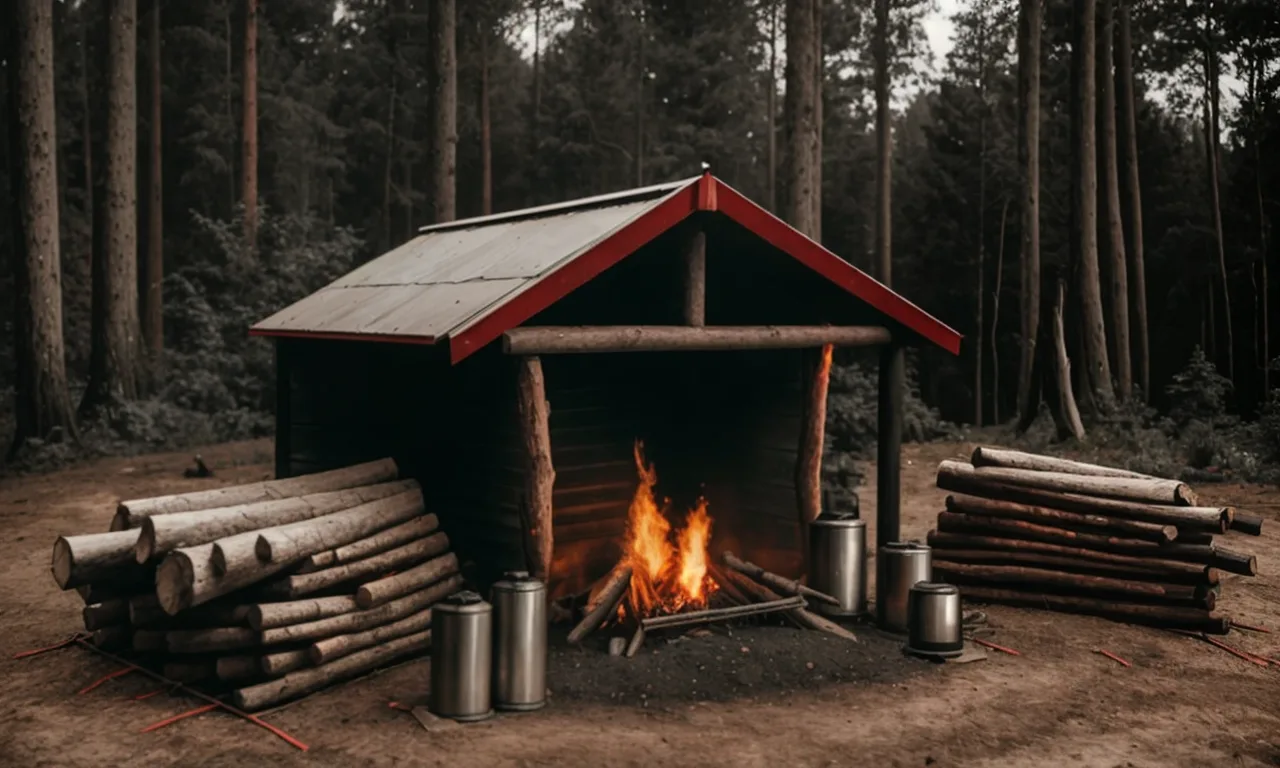
Understanding Fire Drain
The campfire never stops burning fuel. It drains faster during rain and blizzards, so you need extra supplies in bad weather.
Keeping the fire alive is non-negotiable. If it goes out, the Deer comes hungry — except on the first night — and other enemies can enter your camp.
Fuel Types and Priorities
Logs are the most common fuel. You get them from chopping trees or from the Grinder.
Coal and fuel canisters are the other fuels. They are harder to come by, so grab them whenever you find them.
Keep a mix of fuel types. Logs are good for regular use, while coal and canisters can be saved for when you are away gathering more wood.
Managing Fire Levels
Each fire level from 1 to 6 needs more fuel to reach than the one before. Upgrading the fire expands your safe zone and unlocks more of the map.
Before pushing for the next level, stockpile a large amount of fuel so the fire never runs low while you do it.
The final fire level burns slower and is more resistant to rain and snow, but it still needs refueling.
Weather Effects
Rain and blizzards increase fuel drain. During these conditions, check the fire more often.
If a storm starts while you are out, head back to camp early and add extra fuel.
In the snow, staying near the campfire also stops you from freezing.
Stockpiling Strategy
Never let your fuel reserves drop too low. A good habit is to keep about twice what you think you need for one night.
Set aside a fuel pile right next to the campfire so you can add it in seconds.
On days when you are not exploring, gather extra wood and grind junk into wood.
Key Takeaways
- The campfire drains fuel constantly, faster in rain and blizzards.
- Use logs for regular fueling; save coal and canisters for emergencies.
- Each fire level needs more fuel, so stockpile before pushing it.
- Keep a large emergency fuel reserve at all times.