99 Nights in the Forest Campfire Guide
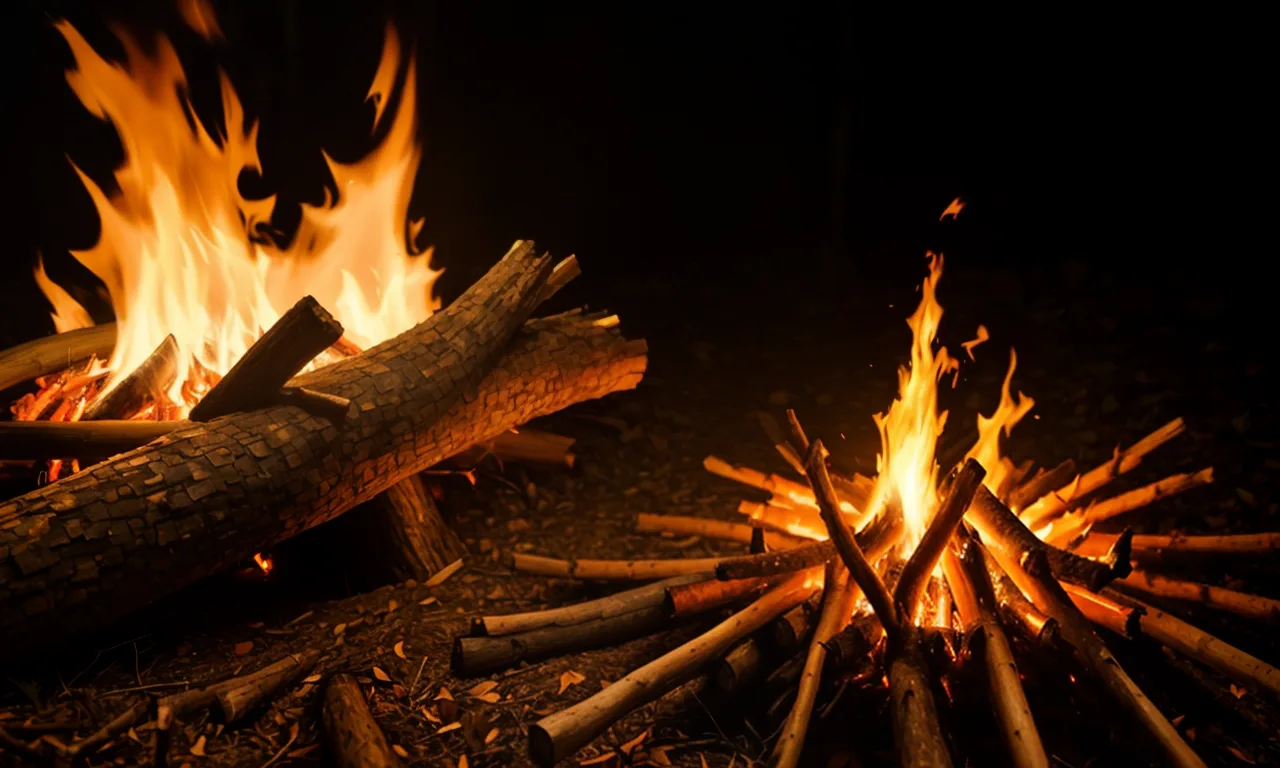
The campfire is the heart of your survival in 99 Nights in the Forest. It burns down constantly, and if it goes out, the Deer comes for you.
Campfire Basics
The campfire has six levels. Each level expands the explorable map and the size of the safe zone. You start at level 1 and must add fuel to raise it.
Near the burning fire, you regenerate health, see better, and do not freeze in snowy biomes. You can cook raw food and recharge flashlights on the fire.
The fire is always burning down. Rain and blizzards make it burn faster. You must keep adding fuel or the fire will go out.
Fuel Types and How to Use Them
The main fuels are logs, coal, and fuel canisters. Adding enough fuel keeps the fire alive and, over time, raises its level.
Logs are the most common fuel and come from chopping trees. Coal and fuel canisters turn up while you explore, so grab them whenever you see them.
Always carry at least one type of fuel when leaving camp for long trips. If you return to a low fire, add fuel immediately before cooking or crafting.
Fire Levels 1 to 6
Level 1 is the starting fire. The safe zone is small and the map is limited, so exploration is confined to the area around camp.
Level 2 is usually when Dino Kid, the first missing child, becomes reachable. It also expands the safe zone enough to move around camp more freely.
Levels 3 through 6 keep expanding the part of the map you can explore and the size of the safe zone, making night defense easier.
Every level needs more fuel than the one before, so reaching level 6 takes serious work. Coordinate with teammates to gather and store fuel.
What Happens If the Fire Goes Out
If the campfire goes out, several bad things happen immediately. The Deer arrives as a Hungry Deer and can come right into camp.
Enemies, including cultists, can enter camp freely. You lose health regeneration, the map becomes unavailable, and you cannot cook food or recharge flashlights.
The only way to recover is to relight the fire as fast as possible, so you need fuel on hand. The moment the fire is relit, the safe zone works again.
Never let the fire go out on purpose. During rain or blizzards, check the fire often and add fuel.
Campfire Management Tips
- Stockpile logs and coal in a central spot near the fire.
- Cook food before leaving camp.
- Check the fuel level before and after every exploration trip.
- Assign one teammate to watch the fire during cultist raids.
- Feed the fire before long trips, not after.
Key Takeaways
- Keep the fire burning at all costs to avoid the Deer.
- Logs, coal, and fuel canisters all feed the fire.
- Each fire level expands the safe zone and map access.
- A dead fire means Hungry Deer, enemy entry, and no cooking.